
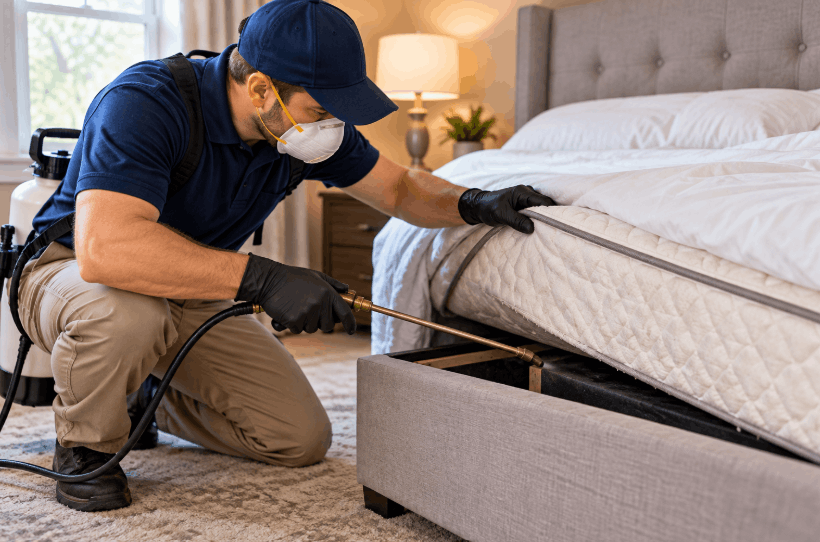
Greensboro NC Licensed Pest Specialists

Bed Bug Control in Greensboro, NC

Bed bugs are exhausting, embarrassing and stubborn, and they have nothing to do with how clean your home is. Our local bed bug exterminators confirm what you're dealing with, explain your treatment options in plain language, and keep coming back until there are no bugs, no eggs and no new bites.

Quiet, respectful service from a Greensboro-based team.
Proof before treatment: we confirm bed bugs with physical evidence, not guesses from bites
Heat and conventional options: chosen for your home, not a one-size plan
A written prep plan: room by room, so you know exactly what to do
Follow-ups until it's clear: we don't close the job after one visit
Licensed and insured: North Carolina licensed for household pest work
Discreet local technicians: no call center, no fuss in front of your neighbors
60-Minute Local Response

If you're reading this in the middle of the night after finding a bug on your pillowcase, take a breath. Bed bugs can be eliminated completely, and you don't have to throw out your furniture to get there. Contact Greensboro Insect Pros and a licensed technician will be at your door within 60 minutes, anywhere in the city, to confirm what you found and lay out a plan. From that first call to the final all-clear inspection, you'll deal with the same small local team.

Start Here: Which Situation Are You In?

1

“I think I might have bed bugs.”

You've found bites, spots on the sheets or a bug you can't identify. Start with Is It Really Bed Bugs? below. Plenty of suspected bed bug problems turn out to be something else, and we'll tell you honestly if yours does.

2

“I know I have bed bugs.”

You've seen live bugs or a technician has confirmed them. Jump to What Happens After You Call and Heat or Conventional Treatment? so you know your options and timeline.

3

“I manage rentals, a hotel or a short-term rental.”

Skip to For Renters and Landlords and Hotels, Short-Term Rentals and Businesses for how we handle multi-unit buildings, guest rooms and turnover.
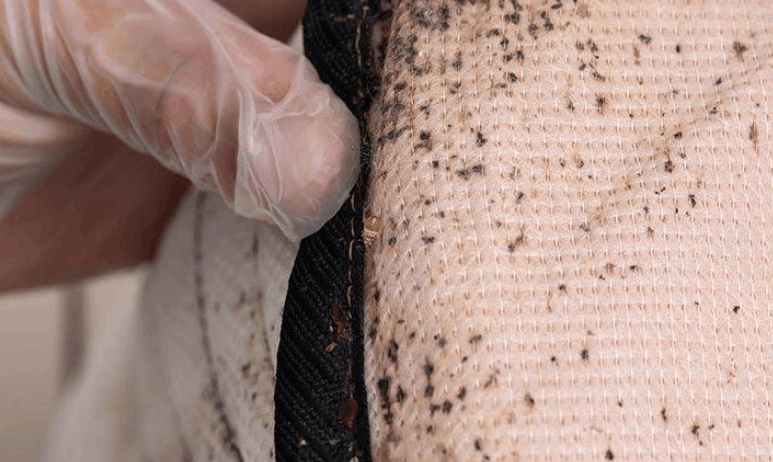
bed bug infestation
Physical inspection verifies live activity before any treatment begins

Is It Really Bed Bugs?

Evidence that points to bed bugs in your Greensboro home:

Live Bugs

Flat, oval, reddish-brown and about the size of an apple seed when grown. Young ones are smaller and almost clear until they feed.

Dark Spots

Small black or rusty dots along mattress seams, box spring edges, headboards and sheets. These are digested blood and smear like a marker when wiped with a damp cloth.

Shed Skins

Pale, translucent empty shells left behind as young bed bugs molt and grow through their developmental stages.

Tiny White Eggs

About the size of a pinhead, tucked discreetly into seams, cracks, baseboard gaps and screw holes.

Musty Odor

A distinct sweet, coriander-like or musty smell produced by scent glands in moderate to heavy infestations.

CDC Guidelines on Harborages:

The CDC notes bed bugs usually hide within about 8 feet of where people sleep: mattress seams, box springs, bed frames, headboards, nightstands, baseboards, outlet plates and the folds of nearby furniture.

Why bites alone can't confirm bed bugs

Bite reactions vary a lot. Some people get itchy welts in lines or clusters, often on the arms, neck and shoulders, while others living in the same bed show no marks at all. Reactions can also take a day or more to appear. That's why we never recommend treatment based on bites alone. We look for physical evidence first.

What else it could be around here

Common Piedmont and North Carolina bugs frequently mistaken for bed bugs:

Chiggers Summer / Outdoors

Common in North Carolina summers after yard work, hiking or sitting in tall grass. Their bites cluster around ankles, the backs of knees and the waistband.

Fleas Pets / Wildlife

Bites around the ankles and lower legs, often in homes with pets or wildlife under the deck.

Mosquitoes Exposed Skin

Scattered bites on exposed skin, especially after evenings outside.

Bat Bugs Attics / Older Homes

Close relatives of bed bugs that look nearly identical under a magnifier. They show up in older homes where bats have roosted in the attic or walls. Treating them requires dealing with the bats first, so correct identification matters.

Carpet Beetle Larvae Fabric / Rugs

Their tiny hairs can cause itchy skin irritation that's often mistaken for bites.

Identification Tip: If you catch a bug, stick it to clear tape or seal it in a zip-top bag. A good specimen saves time and money.
Response Protocol

What Happens After You Call

When What happens
Within 60 minutes A licensed technician arrives at your door, anywhere in the city.
First visit Full inspection of bedrooms, sofas and nearby rooms. We confirm bed bugs, map how far they've spread, and walk you through treatment options and costs.
Before treatment You get a written, room-by-room prep plan. For heat treatments, we schedule a date that gives you time to prepare.
Treatment day Heat, conventional treatment or a combination. Encasements and interceptors go on beds and furniture legs where needed.
About 2 weeks later Follow-up inspection and treatment to catch any bed bugs that hatched from eggs after the first visit.
Final check We inspect again and check interceptor cups. We only call it clear when there's no sign of activity.

Most homes are cleared within a few weeks. Heavy infestations or multi-unit buildings can take longer, and we'll tell you that up front rather than surprise you later.

Arrival vs. Eradication: The 60-minute window covers getting a technician to your door. Removing bed bugs completely, including eggs that hatch after treatment, is a process measured in weeks.
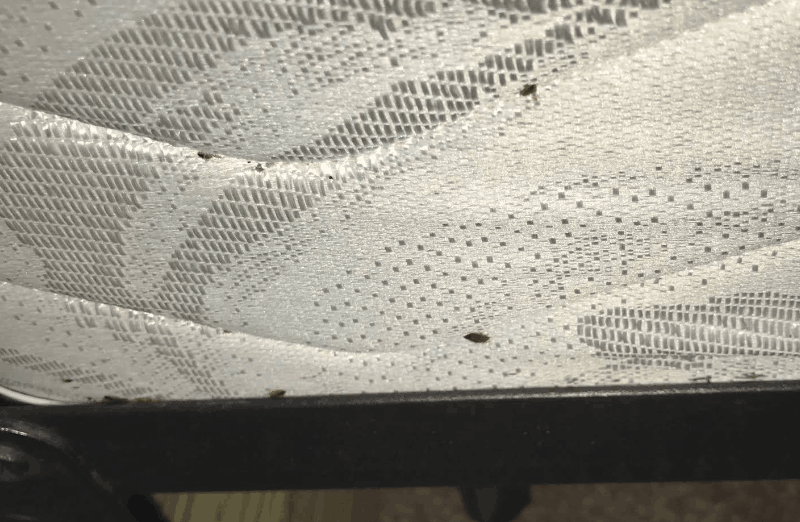
bed bug infested mattress
Mattress seams and tufts mapped during initial inspection
Scientific Principles

Bed Bug Biology That Shapes Your Treatment

A few facts explain why bed bug treatment works the way it does:

Eggs are the hard part

Eggs hatch in roughly a week to 10 days, and they're more resistant to many treatments than adults. That's why follow-up visits are built into every conventional plan.

They can wait you out

The CDC says bed bugs can survive several months without feeding, and NCDA&CS notes they can last up to a year. Staying at a relative's house for a week won't starve them out.

Every young bed bug needs blood

Nymphs have to feed before each of their five molts, so they stay close to wherever people rest.

Resistant to common sprays

Research across the country, including work at NC State, has documented bed bug resistance to widely used pyrethroids. Store-bought sprays often fail, so we rotate product classes and use heat, steam and dusts.

They don't fly or jump

They crawl and hitchhike in bags, clothing, furniture and boxes, which is why the spread follows people and belongings.

Treatment Selection

Heat or Conventional Treatment? How We Choose

There's no single right bed bug treatment for every home. We recommend a method after the inspection, based on how widespread the bugs are, the type of building, what's in the rooms and your schedule.
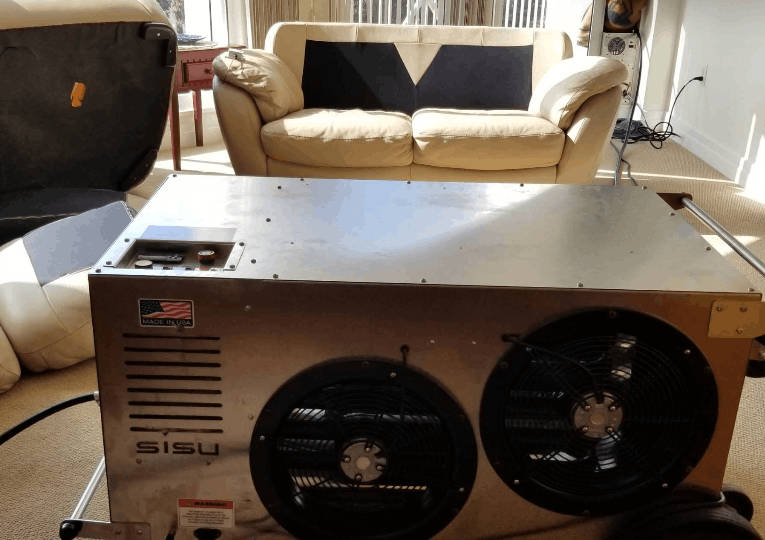
bed bug heat treatment in greenboro home
Thermal remediation penetrating structural voids and furniture
Thermal Method

Whole-Room Heat Treatment

We bring in professional heaters and fans and raise the temperature of the treated rooms, with a target around 135°F, while monitoring temperatures at multiple points throughout the room. Research summarized by the Virginia Department of Agriculture shows adult bed bugs die after 90 minutes at 113°F, and eggs need about 90 minutes at 118°F. We hold rooms above those thresholds long enough to reach deep into mattresses, couches, closets and wall edges.

Good fit when:
  • You want most of the problem solved in one day
  • Bed bugs have spread into furniture, clutter or belongings that are hard to treat with products
  • You prefer to minimize insecticide use
Keep in mind:
  • A heat treatment typically takes most of a day from setup to takedown
  • Some items can't take high heat, such as candles, aerosol cans, medications, vinyl records, some plastics and certain electronics, and must be removed and handled separately
  • Heat leaves no residual protection, so we often pair it with residual dusts in wall voids and cracks and with encasements and interceptors
Conventional Method

Conventional (Product-Based) Treatment

We treat seams, cracks, bed frames, furniture joints, baseboards and outlet areas with a rotation of EPA-registered products, including non-repellent liquids, insect growth regulators and long-lasting dusts for wall voids and electrical plates. Steam is used on mattresses and upholstery.

Good fit when:
  • The infestation is caught early and limited to one or two rooms
  • Heat isn't practical, such as some multi-unit buildings or rooms with many heat-sensitive items
  • Budget is a bigger concern than speed
Keep in mind:
  • Plan on at least two to three visits about two weeks apart to catch hatching eggs
  • Prep and cooperation between visits matter a lot

Combination Treatment

For heavier infestations we often heat the worst rooms and use conventional treatment and dusts in adjoining rooms, wall voids and places heat can't fully reach.

Tools we use with every treatment

Mattress & box spring encasements: trap any remaining bugs inside and make future inspections easy.
Interceptor cups: placed under bed and sofa legs that catch bugs climbing up and show us whether activity is truly gone.
HEPA Vacuuming: targeted removal of heavy activity areas, with the bag immediately sealed and removed from the home.
High-temp Steam: applied directly on mattresses, couches and fabric where chemical products shouldn't go.
Home Preparation

Your Prep Checklist, Room by Room

Good prep makes treatment work faster and keeps bed bugs from spreading. Your technician will adjust this list for your home and treatment type.

Bedrooms

  • Strip all bedding and run it through the dryer on high heat for at least 30 minutes, then seal it in clean plastic bags.
  • Empty nightstands and dressers only as instructed. For heat treatments, many items can stay in drawers.
  • Pull the bed and furniture about a foot away from walls.
  • Clear clutter from the floor and under the bed, and bag it rather than moving it to another room.

Closets & Clothing

  • Dry clothes on high heat and bag them. Items that can't go in the dryer should be set aside for us to review.
  • Keep bagged, treated clothing sealed until the final inspection.

Living Room & Upholstered Furniture

  • Remove cushions and throws from sofas and chairs and dry what you can.
  • Don't move furniture to another room or out to the curb before we see it.

Kids' Rooms & Toys

  • Dry stuffed animals and fabric toys on high heat and bag them.
  • Hard toys can be wiped down and bagged.

Pets

  • Remove pet bedding and dry it on high heat.
  • Arrange for pets, including fish tanks and birds, to be out of treated rooms as your technician instructs.

Heat-Treatment Extras

  • Remove candles, crayons, aerosols, lighters, medications, plants and anything that could melt or be damaged by heat. Your technician will give you the full specific checklist.
Critical Safeguards

What Not to Do

Common mistakes that spread bed bugs further or create severe safety hazards:

Don't set off bug bombs.

The EPA warns foggers don't reach where bed bugs hide and can create fire and health hazards. They tend to scatter bugs into walls and nearby rooms.

Don't start sleeping on the couch or in another room.

Bed bugs follow you, and you'll end up with two infested rooms instead of one.

Don't drag your mattress to the curb.

It spreads bugs through hallways and stairwells, and someone else may pick it up. Most mattresses can be saved with treatment and an encasement.

Don't use outdoor or agricultural products indoors.

The EPA also warns against using pool or food-grade diatomaceous earth inside, which can harm your lungs.

Don't soak things in rubbing alcohol.

It's a serious fire hazard and doesn't reach hidden bugs or eggs.

Don't move belongings to a friend's house before treatment.

It's one of the most common ways bed bugs spread to a second home.

Regional Insights

Why Bed Bugs Keep Turning Up in Greensboro

Bed bugs travel with people, and Greensboro moves a lot of people.

01

Travel Crossroads

Piedmont Triad International Airport, the I-40, I-85, I-73 and I-840 corridors, and bus and rail service through the J. Douglas Galyon Depot bring a steady flow of travelers through local hotels and homes.

02

Big Events & Markets

Tournaments, concerts and conventions at the Greensboro Coliseum Complex, plus the twice-yearly High Point Market that fills hotels across the Triad, mean lots of overnight stays and lots of luggage.

03

A College Town Several Times Over

UNCG, NC A&T, Greensboro College, Guilford College, Bennett College and GTCC bring thousands of students moving in and out each year, often with secondhand furniture and shared living spaces.

04

Move-Out Season Furniture

Mattresses and couches left at the curb near campus in May and August look like free furniture, but they're a common way bed bugs get into a new home.

05

Online Resale & Marketplaces

North Carolina law requires used bedding sold by businesses to be sanitized and tagged, but private sales from a person's home are exempt. A mattress bought through an online marketplace hasn't been through any required sanitizing.

North Carolina Metro Bed Bug Trends: Greensboro drew attention in early 2024 when it jumped 25 spots into the top 20 on Orkin's national bed bug cities list. It hasn't appeared on the 2025 or 2026 lists, but Raleigh and Charlotte both ranked on the 2026 list, and bed bugs move easily between cities with travelers, students and furniture.
Local Neighborhoods

Where We Find Them in Greensboro Homes

Apartments & Student Housing near UNCG, NC A&T and Downtown

Bed bugs travel through shared walls, outlets, pipe chases and hallways. When one unit has them, we recommend inspecting the units beside, above and below it.

Older Homes in Fisher Park, Westerwood, College Hill & Irving Park

Plaster cracks, gaps behind original trim and baseboards, and lots of antique and inherited furniture give bed bugs extra hiding places. Some of these homes also have bats in the attic, which is where bat bugs come in.

Newer Homes in Lake Jeanette, Brassfield & Adams Farm

Bed bugs usually arrive after travel, a kid's sleepover, a college student coming home, or a secondhand couch. Early calls here often mean a one- or two-room problem.

Homes with Frequent Visitors or Caregivers

Homes with regular guests, in-home care or family members returning from hospital or rehab stays have more chances for a hitchhiker. We treat these situations discreetly and with extra care for vulnerable residents.

Legal & Housing Guidelines

For Renters and Landlords

What the rules say

North Carolina doesn't have a law written specifically about bed bugs in rentals. A 2011 bill that would have assigned bed bug responsibility between landlords and tenants passed the NC House but never became law. Instead, the general rules apply: state law requires landlords to keep rentals fit and habitable, and Greensboro's Housing Code generally makes the occupant responsible for extermination when only their unit is infested and the building has been kept reasonably insect-proof. When bed bugs are in multiple units or coming from the building, responsibility usually shifts to the owner.

Note: This is general information, not legal advice. Check your lease and contact the City of Greensboro or a local attorney about your situation.

If you rent:

  • Tell your landlord in writing as soon as you suspect bed bugs, and keep a copy.
  • Don't move belongings out or discard furniture before an inspection.
  • Follow the prep plan closely. It's the single biggest factor in how fast treatment works.

If you own or manage rentals:

  • Act quickly. One untreated unit can become a whole building problem.
  • Inspect adjoining units at the same time.
  • Keep written records of inspections and treatments.
  • Consider inspections between tenants, especially in student and short-term rentals.
✓ We work with Greensboro property managers on unit inspections, coordinated multi-unit treatments and service documentation.
Commercial & Hospitality

Hotels, Short-Term Rentals and Businesses

North Carolina's lodging rules require hotel and motel premises and guest rooms to be kept free of insects and other pests, and Guilford County Environmental Health inspects lodging establishments. One bad review mentioning bed bugs can cost far more than a treatment.

We provide:
  • Fast, discreet room inspections when a guest reports bites.
  • Heat or conventional treatment of affected rooms and adjoining rooms.
  • Housekeeping staff guidance on spotting early signs during room turnover.
  • Written service reports for your records.

We also help Airbnb and short-term rental hosts, senior living communities, offices, daycares and transportation businesses with inspection and treatment plans that fit around guests and operations.

Rapid Turnover Protection

Discreet Commercial Response

Unmarked vehicles and flexible scheduling ensure zero disruption to guests, tenants, and business reputations across the Triad.

Guilford County Health Compliant
Staff Training Protocols
Multi-Unit Coordination
Prevention Guide

Traveling Without Bringing Bed Bugs Home

Essential travel habits to prevent hitchhikers from entering your luggage:

1

Check the Bed First

Pull back the sheets and look along mattress seams and behind the headboard before unpacking.

2

Keep Luggage Elevated

Keep luggage off the bed and floor. Use the luggage rack, positioned away from the wall.

3

Bag Your Clothes

Keep dirty clothes sealed in a plastic bag during the trip to prevent hitchhikers in fabrics.

4

Unpack Straight into the Dryer

When you get home, run clothing on high heat for at least 30 minutes, even items you didn't wear.

5

Inspect Suitcases Safely

Inspect your suitcase in the garage or bathtub, not on the bed, and vacuum the seams and pockets.

6

Be Careful with Secondhand Finds

Inspect used furniture before it comes in the house, and skip curbside mattresses and upholstered pieces.

Local Authority

Licensed, Insured and Right Here in Greensboro

We're a local bed bug exterminator, not a regional call center. Our office is at 200 N Greene St, and our technicians work in homes across the city every day, from downtown and the historic districts to Irving Park, Starmount, Lake Jeanette, Guilford College, Adams Farm and Grandover.

Licensed

Bed bug work is household pest control regulated by the NC Department of Agriculture & Consumer Services, and it's done under our North Carolina structural pest control license.

Insured

Our liability coverage protects your home and belongings on every visit.

Fast (60 Min Response)

A licensed technician can be at your door within 60 minutes of your call.

Local

You'll deal with the same small team from inspection through the final check.

Focused on Staying Clear

Encasements, interceptor monitoring and follow-up inspections help make sure bed bugs don't quietly come back, and we'll show you how to catch any new introduction early.

Cost Transparency

What Affects the Price of Bed Bug Treatment

We give you an honest price after the inspection, based on what we actually find:

How many rooms are involved, and whether sofas and other furniture are infested
Heat, conventional or combination treatment method selected
Home size and layout, including clutter, which adds hiding spots and prep time
Single-family home or multi-unit building, and whether adjoining units need inspection
Number of follow-up visits needed for the level of infestation
Encasements and interceptors required for beds and furniture

Key Insight: Catching bed bugs early nearly always means a smaller, faster and less expensive treatment.

Common Inquiries
Frequently Asked Questions (FAQs)

Clear, straightforward answers about bed bug treatments, timelines, safety, and post-service protocols.

Do I need to throw away my mattress?

Usually not. Most mattresses and box springs can be treated and then sealed in encasements. We'll tell you honestly if something is too damaged to save.

Can I stay in my home during treatment?

For conventional treatment, you'll usually need to be out for a few hours until products dry. For heat treatment, plan to be out for most of the day. Your technician will give you exact times.

How long until I'm bed bug-free?

Heat treatments often solve most of the problem in one day, with a follow-up to confirm. Conventional treatments usually take two to three visits over several weeks. We keep going until inspections and interceptors show no activity.

Why do I still see a bug after treatment?

Seeing a few bugs in the first week or two, especially slow or dying ones, is common as eggs hatch and bugs come into contact with treated areas. Keep sleeping in your own bed so they're drawn to treated zones, and let us know what you see.

Do bed bugs carry diseases?

According to the CDC, bed bugs aren't known to spread disease. The EPA still considers them a public health pest because bites can cause allergic reactions and skin infections from scratching, and infestations often cause anxiety and sleepless nights.

Are bed bugs a sign my home is dirty?

No. Bed bugs feed on blood, not dirt or crumbs, and they turn up in spotless homes and upscale hotels. Clutter makes them harder to treat, but it doesn't cause them.

Will my neighbors know?

We keep visits low-key and focus on getting the work done without drawing attention. In apartment buildings, we may recommend inspecting nearby units, but we work through your landlord or property manager on that.

Can bed bugs get into my car?

They can, especially if you've been moving bagged belongings or furniture. We can inspect and advise on vehicles if there's a concern.

How do I keep bed bugs from coming back?

Keep encasements on, leave interceptors under the bed legs for a few months, follow the travel tips above, and check secondhand furniture before it comes inside. If you ever see signs again, call early.

Scroll to Top